

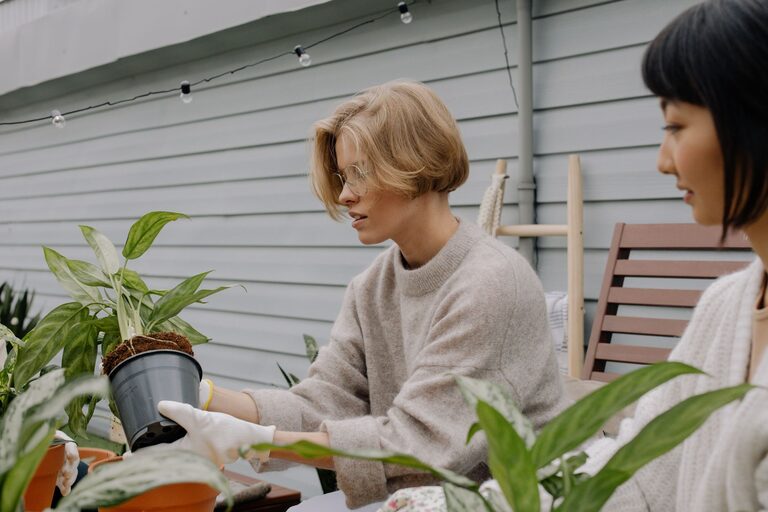
Creating a sustainable home garden is a rewarding pursuit that benefits both your household and the environment. By designing and maintaining your garden with sustainable principles, you can enjoy fresh produce, attract beneficial wildlife, reduce waste, and lower your carbon footprint. Whether you have a large backyard or a small balcony, sustainable gardening is achievable year-round. Here are practical tips to help you cultivate a thriving, eco-friendly garden in every season.
Understanding Sustainable Gardening
Sustainable gardening revolves around practices that preserve natural resources, support biodiversity, and minimize pollution. It often includes recycling organic materials, using native plants, conserving water, and avoiding synthetic chemicals. The goal is to create a balanced ecosystem that requires fewer external resources and contributes positively to the environment.
Planning Your Garden for Year-Round Success
Choose the Right Plants
Selecting plants suited to your local climate and soil conditions is key. Native plants generally require less water and care and provide habitat for local wildlife.
– Opt for perennials: These plants grow back each year, reducing the need to replant.
– Include a variety of species: Diversity helps prevent pests and diseases.
– Incorporate vegetables and herbs: Choose plants that offer multiple harvests throughout the growing season.
Design with Seasonal Changes in Mind
Plan your garden layout so that different plants thrive at various times of the year. This can extend your harvest and keep your garden attractive year-round.
– Use cold frames or cloches to extend the growing season in cooler months.
– Include evergreen shrubs and plants that provide winter interest.
– Plant bulbs in the fall for spring blooms.
Soil Health: The Foundation of Sustainable Gardening
Composting and Mulching
Healthy soil supports healthy plants. Composting organic kitchen waste and garden debris returns valuable nutrients to the soil, reducing the need for chemical fertilizers.
– Create a compost bin or pile to recycle leaves, vegetable scraps, and grass clippings.
– Use mulch (like straw, wood chips, or leaves) to retain soil moisture, suppress weeds, and gradually enrich the soil.
Test and Amend Your Soil
Periodically test your soil’s pH and nutrient levels. If adjustments are needed, use natural amendments such as lime (to raise pH) or sulfur (to lower pH) rather than synthetic products.
Water Conservation Techniques
Water is a precious resource, and conserving it is vital in sustainable gardening.
– Collect rainwater: Use rain barrels to capture runoff for later use.
– Water wisely: Water your plants early in the morning or late in the evening to reduce evaporation.
– Use drip irrigation: This method delivers water directly to roots, minimizing waste.
– Group plants with similar water needs: This makes it easier to water efficiently.
Encouraging Beneficial Wildlife
Creating a habitat for beneficial insects and animals helps control pests naturally.
– Plant flowering herbs and native wildflowers to attract pollinators like bees and butterflies.
– Install bird feeders or birdbaths to attract birds that eat garden pests.
– Avoid chemical pesticides and herbicides that can harm helpful wildlife.
Seasonal Garden Maintenance Tips
Spring
– Prepare soil by adding compost and turning it gently.
– Start sowing seeds indoors for early vegetables.
– Prune dead or damaged branches to encourage growth.
Summer
– Monitor water needs closely and mulch to retain moisture.
– Harvest regularly to encourage plant productivity.
– Watch for signs of pests and manage them with natural remedies.
Fall
– Clean up spent plants and add them to your compost.
– Plant cover crops or spread mulch to protect soil over winter.
– Start planting bulbs for spring blooms.
Winter
– Plan next year’s garden based on what worked well.
– Maintain tools and garden structures.
– Indoor gardening: try growing herbs or microgreens inside to keep gardening active.
Reducing Waste in Your Garden
Sustainable gardening also means minimizing waste.
– Repurpose containers and materials like old pallets or tires as planters.
– Use biodegradable pots for seedlings.
– Share seeds or plants with neighbors to promote community gardening.
Sustainable Gardening Tools and Practices
Choose durable, eco-friendly tools to reduce resource consumption.
– Opt for hand tools over gas-powered when possible.
– Maintain tools properly to extend their lifespan.
– Use organic seeds and avoid genetically modified varieties.
Final Thoughts
Sustainable home gardening is not just about growing plants; it’s about nurturing the environment and creating a healthy space for your family. By incorporating these tips, you can build a sustainable garden that thrives throughout the year and supports biodiversity. Start small, be patient, and enjoy the process of connecting with nature in a thoughtful way. Happy gardening!