

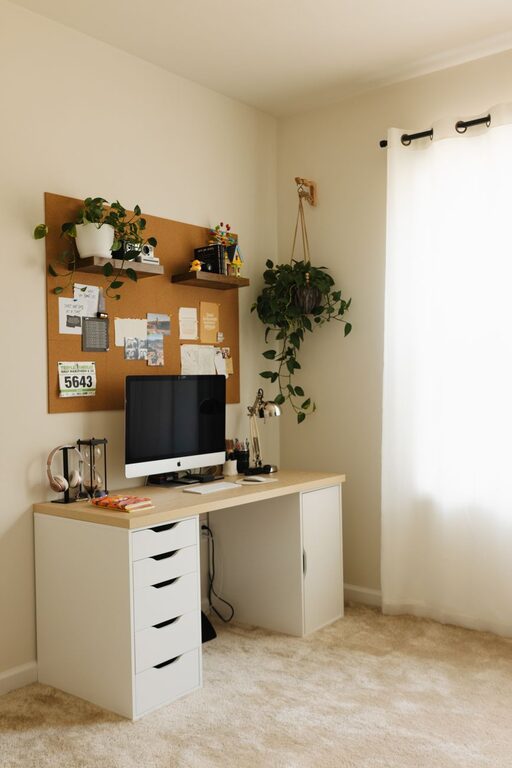
Creating a cozy and functional home workspace is essential, especially as more people work remotely or spend extra time at home. A well-designed workspace can enhance focus, reduce stress, and make your workday more enjoyable. Whether you have a dedicated room or just a small corner, these tips will help you craft a comfortable and efficient environment.
1. Choose the Right Location
Finding the best spot in your home is the first step. Here’s what to consider:
– Natural Light: Position your desk near a window to enjoy daylight. Natural light supports better mood and reduces eye strain.
– Quiet Space: Select a place with minimal noise and distractions to maintain concentration.
– Comfortable Temperature: Avoid areas that get too hot or cold, so you can stay comfortable throughout the day.
If space is limited, even rearranging a corner within a living room or bedroom can work well.
2. Invest in Ergonomic Furniture
Comfort is key to staying productive and avoiding discomfort or injury.
– Office Chair: Choose one with good lumbar support, adjustable height, and comfortable padding.
– Desk: Pick a desk that fits your working style and offers enough surface area for your computer, notebooks, and other essentials.
– Desk Accessories: Consider a keyboard tray or monitor stand to maintain proper posture.
Ergonomic furniture helps maintain good posture and reduces fatigue.
3. Keep Your Space Organized
A tidy workspace can make a huge difference in your ability to focus.
– Declutter Daily: Spend a few minutes at the end of each day tidying up.
– Storage Solutions: Use shelves, filing cabinets, and desk organizers to keep supplies in order.
– Digital Organization: Keep your computer desktop clean and files well-organized to increase efficiency.
Clear surfaces and organized materials create a calm and inviting atmosphere.
4. Personalize Your Workspace
Adding personal touches can make your workspace feel more welcoming.
– Decor: Include a few items like photos, plants, artwork, or a favorite mug.
– Color: Incorporate colors that make you feel relaxed and motivated, such as soft blues or greens.
– Lighting: Along with natural light, add a desk lamp with warm light that suits your performance needs.
Personalization helps build a sense of ownership and comfort.
5. Manage Cables and Electronics
Messy cords can be distracting and create hazards.
– Cable Organizers: Use clips, ties, or cable sleeves to keep wires neat.
– Power Strips: Place them conveniently but out of the way.
– Wireless Devices: Consider wireless keyboards, mice, and printers to reduce cord clutter.
This simple step enhances safety and cleanliness.
6. Incorporate Plants and Natural Elements
Plants not only improve air quality but also create a soothing environment.
– Easy-Care Plants: Choose low-maintenance plants like succulents, snake plants, or pothos.
– Placement: Keep them near your desk or windowsill.
– Natural Materials: Use wooden or stone accessories to add warmth.
Nature-inspired elements contribute to a calming workspace atmosphere.
7. Optimize Lighting
Good lighting prevents eye strain and keeps you energized.
– Layered Lighting: Combine natural light, ambient room lighting, and task lighting.
– Adjustable Lamps: Use desk lamps with adjustable brightness and direction.
– Screen Placement: Position your monitor to avoid glare from windows or overhead lights.
Proper lighting helps maintain focus and comfort for longer periods.
8. Establish Boundaries
Separating work time from personal time is important for balance.
– Defined Workspace: Even if it’s a small area, keep it distinct from relaxation spaces.
– Set Hours: Stick to a routine that allows you to ‘leave’ work.
– Communicate: Let others in your household know your working hours to minimize interruptions.
Boundaries improve work-life balance and reduce stress.
9. Add Comfort Elements
Small touches can make your workspace more inviting and reduce fatigue.
– Cushions or Footrests: Enhance comfort during long sitting periods.
– Temperature Control: Use fans or heaters as needed.
– Refreshment Station: Keep water or tea nearby to stay hydrated.
These additions support well-being throughout your workday.
10. Regularly Refresh Your Workspace
Keep your workspace inspiring by occasionally changing its setup.
– Rearrange Furniture: Switch around your desk or chair for a fresh perspective.
– New Decor: Add seasonal decorations or rotate artwork.
– Clean Thoroughly: Deep clean your area to maintain hygiene and freshness.
A refreshed space can boost creativity and motivation.
—
Creating a cozy and functional home workspace doesn’t have to be complicated or expensive. With thoughtful adjustments to lighting, comfort, organization, and personalization, you can design a space that supports both your productivity and well-being. Start with small changes and adapt over time to find what works best for you. Happy working!