

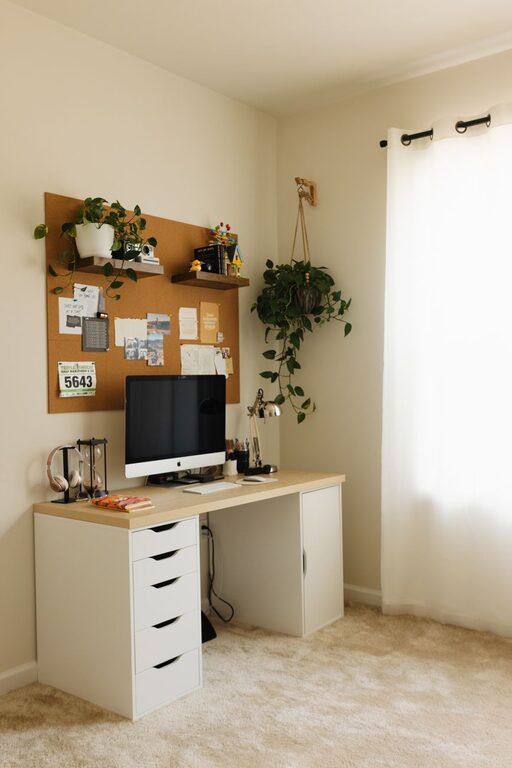
Creating a cozy yet functional home workspace is essential as many people continue to work remotely or spend significant time on personal projects at home. A well-designed workspace can improve focus, enhance creativity, and make your working hours more enjoyable. This guide offers practical tips to help you achieve a workspace that combines comfort with efficiency.
Why a Cozy and Functional Workspace Matters
Spending long hours working from home means your workspace needs to support your well-being and productivity. A cozy environment reduces stress, while functional elements ensure you can work without unnecessary interruptions or discomfort. Balancing these two aspects leads to a healthier and more motivating setup.
Choosing the Right Location
Find a Quiet Spot
The first step is selecting an area with minimal distractions. Ideally, this place should be away from household traffic, TVs, and noisy appliances. A quiet location helps maintain concentration throughout your work sessions.
Consider Natural Light
Position your workspace near a window, if possible. Natural light boosts mood and reduces eye strain. However, avoid glare on your computer screen by angling your desk slightly or using blinds.
Furniture Selection for Comfort and Function
Invest in a Quality Chair
A comfortable chair with adjustable height and good lumbar support is crucial. Sitting for hours requires proper ergonomics to prevent discomfort or injury. Look for chairs designed for office use or those with ergonomic features.
Choose a Suitable Desk
Your desk should fit the space and your work needs. It must be large enough to hold your computer, documents, and any tools you regularly use but not so big that it dominates the room. Adjustable desks that allow standing and sitting options are excellent if you want to change postures.
Organizing Your Workspace
Declutter Regularly
Keep your desktop tidy by removing unnecessary items. A clutter-free area helps clear your mind and lets you focus. Use trays, cups, or small containers to hold pens, cables, and other small tools neatly.
Use Storage Solutions
Incorporate shelves, filing cabinets, or drawers to store documents and supplies. Vertical storage saves space and keeps items within easy reach. Labeling storage boxes or files can speed up finding things when you need them.
Lighting for Comfort and Productivity
Layer Different Light Sources
Apart from natural light, add ambient lighting and task lights. Ambient lighting provides general illumination, while task lighting focuses on your work surface. Adjustable desk lamps with warm bulbs offer a cozy atmosphere and reduce eye strain.
Avoid Harsh Lighting
Fluorescent lights or overly bright bulbs can cause headaches and fatigue. Choose soft, warm light bulbs or consider LED lights with adjustable brightness and color temperature.
Personalizing Your Space
Add Plants
Introducing greenery can refresh the air and lift your mood. Small potted plants or succulents require minimal care and brighten your workspace.
Incorporate Personal Touches
Photos, artwork, or meaningful objects can make the space feel inviting. Just be careful not to overcrowd the area or create distractions.
Managing Technology
Keep Cables Organized
Use cable organizers, clips, or sleeves to keep cords neat and out of the way. This prevents tangling and makes cleaning easier.
Invest in Quality Equipment
Reliable technology reduces frustration. Choose a good keyboard, mouse, and monitor that suit your work style. Consider wireless options to reduce clutter.
Improving Air Quality and Comfort
Ventilation Matters
Ensure your workspace has good airflow. Opening windows periodically or using a fan helps keep air fresh and reduces stuffiness.
Control Temperature
Use heaters or fans as needed to maintain a comfortable temperature. Wearing layers while indoors can help adjust quickly to changes.
Establishing a Routine and Boundaries
Set Work Hours
Even at home, defining work times helps maintain balance. Inform family members of your schedule to minimize interruptions.
Take Breaks and Move Around
Stand up regularly, stretch, or take short walks. Movement improves blood circulation and refreshes your focus.
Final Thoughts
Creating a cozy and functional home workspace doesn’t require a large budget or extensive renovations. By focusing on comfort, organization, lighting, and personal touches, you can build an environment that supports your productivity and well-being. Start small, experiment, and adjust as you discover what works best for you. A pleasant workspace transforms the way you work and can make your home feel like a true productivity hub.