

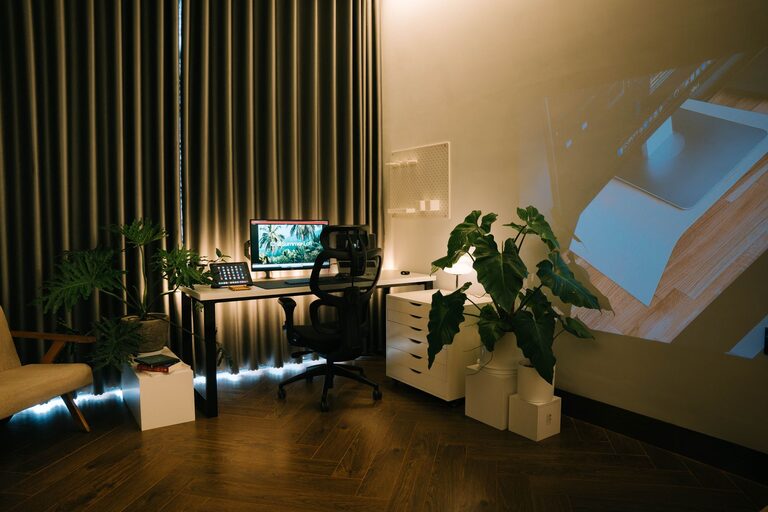
Creating a home office that is both cozy and productive is essential for anyone working remotely or spending significant time on personal projects at home. A well-designed space can improve focus, reduce stress, and help maintain a healthy work-life balance. Whether you have a dedicated room or just a corner of your living area, you can transform your workspace into a place that motivates you and feels welcoming.
Choose the Right Location
Finding the best spot for your home office sets the foundation for your setup. Consider these factors:
– Natural Light: Choose a location near a window if possible. Natural light can improve mood, energy, and focus. Position your desk perpendicular to the window to avoid screen glare.
– Quiet and Privacy: Select a space that minimizes noise distractions. If a separate room isn’t available, consider using noise-cancelling headphones or room dividers.
– Space Availability: Ensure there is enough room for your desk, chair, and storage without feeling cramped. Adequate space helps reduce stress and clutter.
Invest in Comfortable and Ergonomic Furniture
Your furniture affects both comfort and productivity:
– Ergonomic Chair: Invest in a chair with adjustable height, lumbar support, and cushioning to keep you comfortable during long work hours.
– Desk Choice: Choose a desk size that fits your needs, whether it’s a minimalist desk or one with storage compartments. Adjustable desks that allow you to switch between sitting and standing can also boost your energy.
– Footrest and Accessories: Consider a footrest or an ergonomic keyboard and mouse to reduce strain and promote better posture.
Organize with Purpose
A clutter-free environment helps maintain focus. Try these organization tips:
– Storage Solutions: Use shelves, filing cabinets, or storage boxes to keep documents and supplies organized.
– Cable Management: Tidy up cables with clips or sleeves to create a clean surface and prevent distractions.
– Desk Layout: Keep only essential items on your desk to avoid clutter and maintain efficiency.
Personalize Your Space for Comfort
Adding personal touches can make your office feel more inviting and boost your mood:
– Decor: Use artwork, plants, or decorative lighting to create a warm atmosphere.
– Color Scheme: Colors can affect your mindset. Soft blues and greens promote calmness, while brighter colors like yellow can inspire creativity.
– Comfort Items: A soft rug, cushions, or a cozy blanket can add warmth and make your workspace more comfortable.
Optimize Lighting
Good lighting reduces eye strain and enhances focus:
– Task Lighting: Invest in a quality desk lamp with adjustable brightness for focused work.
– Ambient Lighting: Use floor lamps or overhead lights that evenly illuminate the room.
– Avoid Glare: Arrange screens and lights to minimize reflections and glare.
Incorporate Technology Wisely
Technology is vital but can be overwhelming:
– Efficient Devices: Choose reliable computers, printers, and accessories that suit your work.
– Minimal Distractions: Turn off unnecessary notifications and use apps or tools that help with time management.
– Backup Solutions: Keep your data safe with regular backups, either in the cloud or an external drive.
Create a Routine and Break Area
Establishing habits supports productivity and comfort:
– Dedicated Work Hours: Set specific times for work to maintain focus and avoid burnout.
– Stretch and Break Zone: If space allows, have a small area for quick breaks or stretches to refresh your body and mind.
– Healthy Habits: Keep water nearby and consider a small snack station to stay energized.
Final Thoughts
A cozy and productive home office is achievable with thoughtful planning and care. By choosing the right location, investing in supportive furniture, staying organized, personalizing your space, and managing lighting and technology effectively, you can create an environment that encourages focus and well-being. Remember, your workspace should reflect your needs and style, making it a place where you enjoy spending your time and accomplishing your goals.